Who We Are
The BETTER Collaborative combines expertise in psychological science, implementation science, and community-engaged research to improve access to culturally responsive behavioral healthcare.
Founded by Drs. Nuha Alshabani and Resham Gellatly, the collaborative works at the intersection of trauma, oppression, resilience, and health equity.
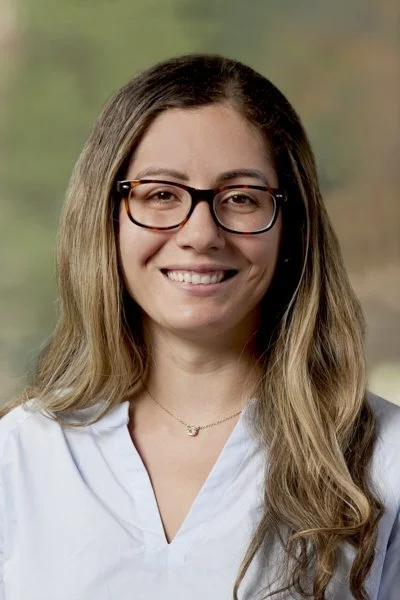
Co-Founder - Nuha Alshabani, PhD
Nuha Alshabani (she/her) is a researcher, educator, and advocate whose work is grounded in the values of curiosity, social justice, community, and cultural humility. Across clinical, research, and educational settings, she focuses on trauma, oppression, resilience, and culturally responsive approaches to mental health care. Nuha has worked in a range of clinical settings, including academic medical centers, community health centers, and universities, with a specialization in trauma and related concerns. Her research takes a socioecological and community-engaged approach to understanding how trauma, oppression, and cultural context shape mental health and well-being among marginalized communities. Her research focuses on intergenerational trauma and resilience, culturally responsive trauma interventions, and strategies to improve equity, accessibility, and engagement in posttraumatic stress disorder (PTSD) care. Across projects, she integrates mixed methods, implementation science, and community partnerships to develop research and interventions that are grounded in community strengths, lived experience, and social justice.Nuha earned her undergraduate degree in Psychology and Organizational Leadership from Baldwin Wallace University in 2015. She then completed a year of service with AmeriCorps, responding to national disasters across the United States. She then earned her master's degree and doctorate in Counseling Psychology from The University of Akron in 2022. She completed her predoctoral internship at Denver Health Medical Center and went on to complete the Trauma in Context postdoctoral fellowship at Boston Medical Center and Boston University.
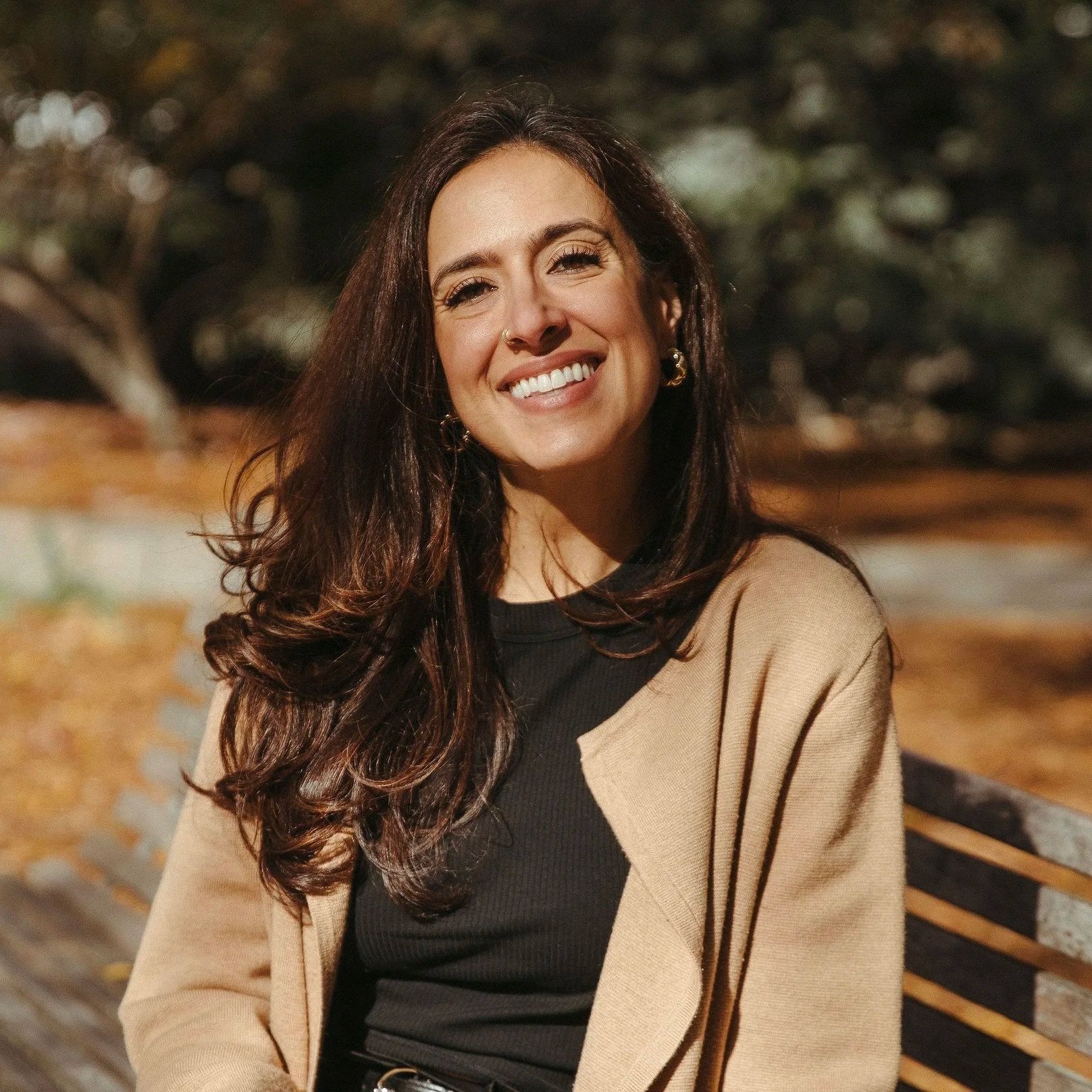
Co-Founder - Resham Gellatly, PhD
Resham Gellatly (she/her) is a licensed clinical psychologist whose program of research centers on expanding access to quality mental health care for marginalized communities not equitably served by mental health systems, including immigrants and refugees. Informed by anti-racist and anti-colonialist approachs, she collaborates with community partners to design and test interventions aimed at reducing barriers to psychological treatments and increasing scalability among culturally diverse populations using principles of implementation science. Resham has extensive experience in training non-specialist health workers to deliver interventions and specializes in conducting mixed methods research to investigate how culture and context impact the adoption and sustainability of evidence-based treatments.
Resham received her B.A. in Psychology from Boston University. After graduating, she completed a Fulbright fellowship in India and later worked as a clinical research coordinator at the New York University Child Study Center, Icahn School of Medicine at Mount Sinai, and University of Pennsylvania under the mentorship of Dr. Aaron Beck. Resham earned her Ph.D. in Clinical Psychology from the University of California, Los Angeles and completed her predoctoral internship at UCLA’s Semel Institute for Neuroscience & Human Behavior and the Resnick Neuropsychiatric Hospital. Her postdoctoral fellowship at Boston Medical Center focused on immigrant and refugee mental health. Resham maintains an affiliate faculty appointment at the Boston University Center on Forced Displacement.
What We Do
-
We help organizations assess their programs, identify opportunities for improvement, and implement evidence-informed recommendations.
-
The BETTER Lab is the research arm of the collaborative conducting community-engaged studies focused on trauma, oppression, resilience, and culturally responsive intervention development to improve mental health outcomes.
-
What sets us apart isn’t just our process—it’s the intention behind it.
The BETTER Collaborative is a research and consulting collaborative that operates in parallel. We are an organization where science and practice are in constant conversation. The questions we study come from the field and the answers we find go right back into it.
What We Value
Equity
-
Sustainability
-
Cultural Humility
-
Community Partnership
-
Equity - Sustainability - Cultural Humility - Community Partnership -
Our Areas of Expertise
Clinical
Trauma, stress, PTSD and co-morbidities
Evidence-based practices for trauma and related stress
Oppression-based stress
Relationships among identity, marginalization, and mental health
Culturally responsive mental health care
Mental Health and Psychosocial Support (MHPSS)
Resilience, resistance, and healing
Population-based
Immigrant communities
Refugees, asylum seekers, migrant, and forcibly displaced communities
Arab, Middle Eastern and North African (MENA), and Southwest Asian and North African (SWANA) diaspora communities
Racially and ethnically marginalized populations
Perinatal individuals and families
Research
Intervention development
Qualitative and mixed methods research
Implementation science
Community-engaged and participatory research
Program evaluation